Blog
Blog
14
OctT'aqrachullo in Espinar: Guide to the Archaeological Citadel
T'aqrachullo is not a recent discovery, but rather an archaeological complex known since colonial times that only formally opened its doors to travelers in 2026 after five years of intensive restoration. Located in the highlands of Espinar at over 4,000 meters above sea level, this imposing citadel perched on rocky cliffs defies conventional tourist circuits. We explain how to get there, what vestiges it houses, and the essential precautions for exploring it safely.
History and Restoration: The Rescue of María Fortaleza
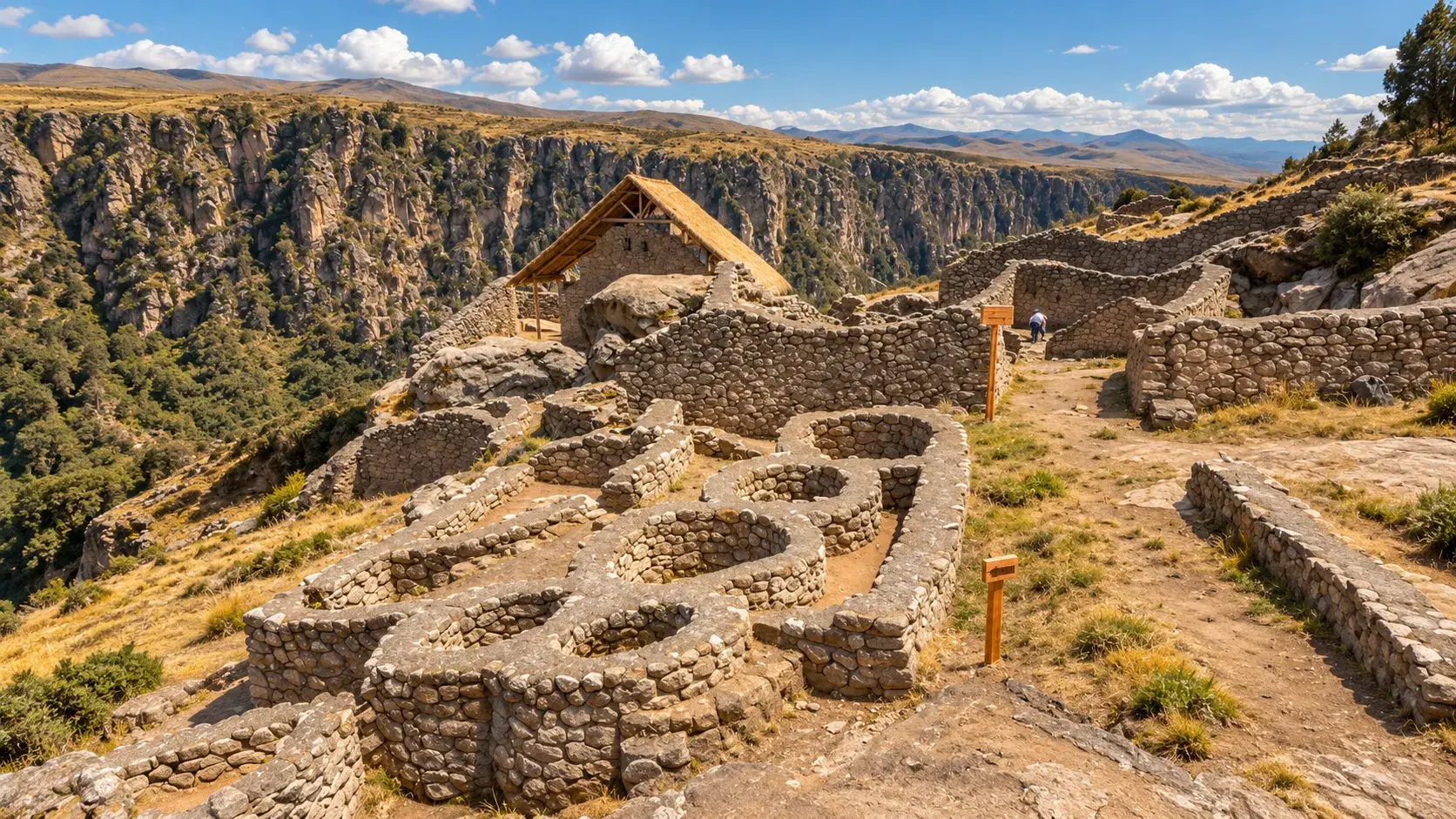
For centuries, locals and chroniclers identified this monumental enclave under the colonial moniker of María Fortaleza. Its original Quechua name comes from the words t'acra (bedrock) and chullo (frozen water), an eloquent geographical description of the harsh climate and rugged topography where it sits. Between 2019 and 2024, the Cusco Deconcentrated Directorate of Culture (DDC) executed a comprehensive enhancement project with a public investment of S/ 11.52 million, returning structural stability to its ancient walls.
The intervention allowed for the consolidation of more than 300 restored constructions which include 112 circular, semi-circular, and D-shaped residential enclosures, as well as chullpas and funerary cists. During the excavation work, specialists discovered a secondary burial containing the skeletal remains of 84 individuals, providing unprecedented evidence on Andean mortuary practices. The entire technical process and stratigraphic analyses were compiled in the book on the restoration of María Fortaleza T’aqrachullo published by the cultural entity. Those wishing to expand their perspective on the academic training of these teams can consult the Professional School of Archaeology of the UNSAAC.
Architecture on Cliffs and the Enigma of Ancocagua
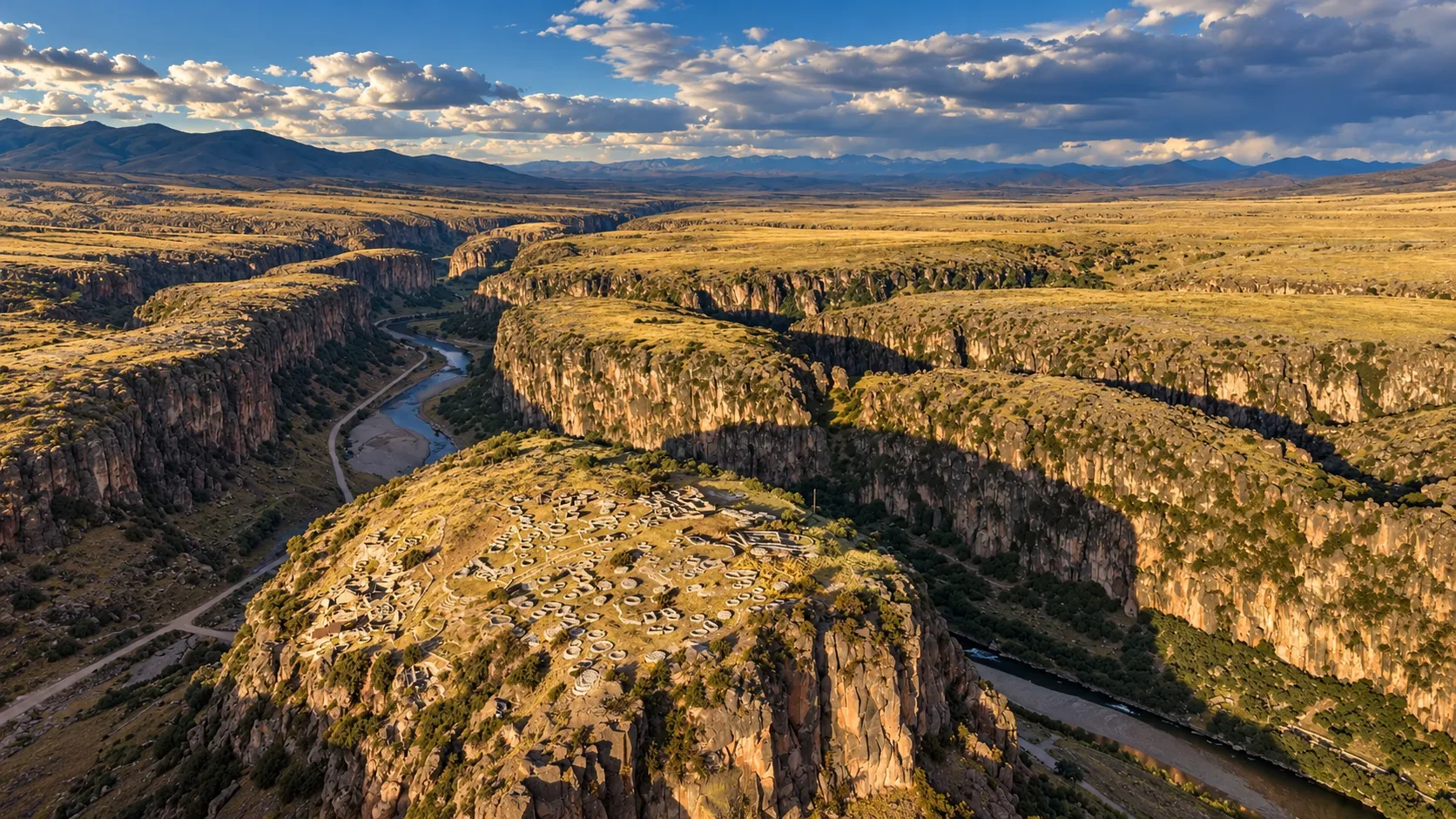
The complex spans nearly 600 structures distributed across 17.4 hectares atop an imposing rocky cliff. Its strategic location visually dominates the confluence of three deep river canyons in the district of Suyckutambo, offering a breathtaking geological panorama. In archaeological terms, the most solid hypothesis links the site to Ancocagua, an oracle and high-ranking sanctuary consecrated in the accounts of early Spanish chroniclers.
This ceremonial hierarchy gained further support in 2022, when archaeologists unearthed a votive offering composed of nearly 3,000 gold, silver, and copper sequins carefully wrapped in tanned camelid leather. Unlike the urban citadels of the Sacred Valley, the defensive layout and extreme altitude give T'aqrachullo a wild character. If your goal is to tour Inca vestiges far from traditional commercial routes, there are other notable alternatives such as exploring the hidden treasures of the Sacred Valley or embarking on the trek to Huchuy Qosqo with a connection to Machu Picchu.
Practical Guide: How to Get There, Schedules, and Recommendations
In May 2026, the official opening brought together the first groups of visitors, prompting authorities to reinforce surveillance and preservation brigades in the face of tourist influx. Planning the expedition requires logistical rigor, as the monument is located at over 4,000 masl and lacks immediate urban services.
To organize your transfer efficiently, consider the following travel stages:
- Cusco to Espinar Section: Takes between 4 and 5 hours by paved road in public transport or private vehicle.
- Espinar to Suyckutambo Section: Takes between 15 and 20 minutes by dirt road to the start of the communal turnoff.
- Final hike to the site: A properly marked ascending trail of 15 to 20 minutes on foot to the top of the rocky spur.
The formal visiting hours are strictly from 7:00 a.m. to 4:00 p.m. Authorities prohibit staying at the site outside of this window due to sudden frosts, strong winds, and zero nighttime visibility on the cliffs. Regarding the entrance fee, check the current cost with DDC Cusco prior to your departure, as official rates are subject to institutional updates. For local procedures and road conditions, you can contact the Provincial Municipality of Espinar.
Self-Sufficiency at Altitude: What You Should Bring
The DDC has clearly warned that the archaeological area lacks basic sanitation, medical care posts, and food establishments. Except for a strictly delimited sector for scientific research, the environment remains wild and unaltered. Every traveler must assume a stance of complete self-sufficiency during their stay.
For a safe and smooth visit, make sure to pack the following basic equipment:
- Water and energy foods: Carry at least two liters of water per person, dried fruits, cereal bars, and cold rations for lunch.
- Weather protection: Wear a waterproof windbreaker, thermal gloves, a woolen hat, UV-filter glasses, and sunscreen.
- Technical footwear: Hiking boots with gripping soles to navigate rocky slopes and loose dirt trails.
- Personal first aid kit: Altitude sickness pills, elastic bandages, and personal painkillers.
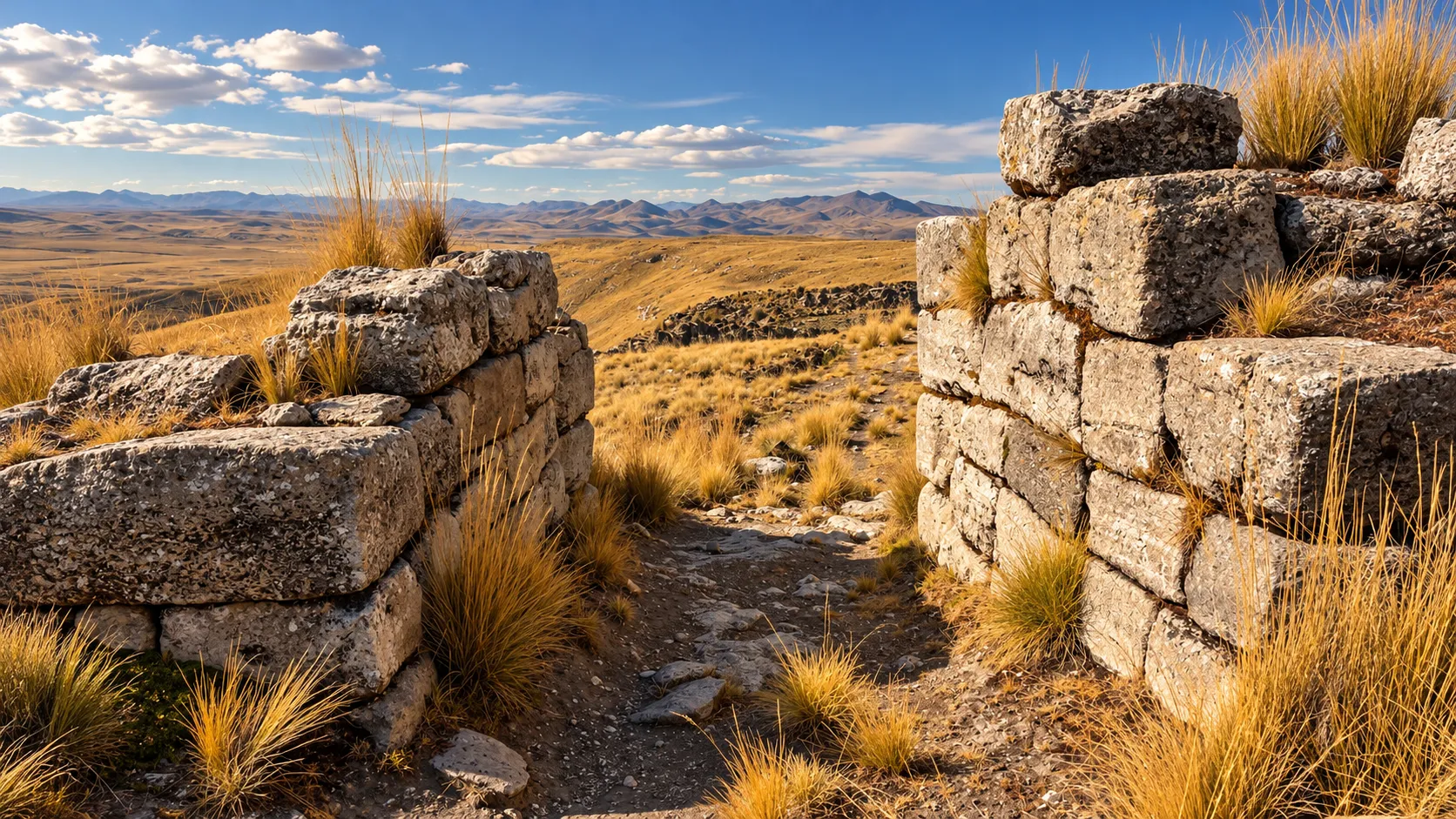
The southern region of Cusco concentrates volcanic landscapes and exceptionally high altitude canyons. If you enjoy hiking in geographies rarely touched by mass tourism, you can combine your trip by visiting the colorful Palccoyo Mountain or discovering the unique reliefs of Pallay Punchu Mountain.
Explore Southern Archaeological Routes with Inca World
Discovering monuments that are newly joining the international tourist map requires professional support and local territorial knowledge. At Inca World, we provide technical advice, conditioned transport units, and accredited local guides to design expeditions tailored to your spirit of adventure. If you want to delve into the heritage of Cusco's high provinces combining archaeology, canyons, and colonial temples with absolute safety, we have the ideal itinerary for you.
Visit historic towns, colonial chapels, and dreamlike landscapes before reaching the forgotten citadels of the southern Andes.
Design your southern expedition: following the Southern route
Updated posts
T'aqrachullo in Espinar: Guide to the Archaeological Citadel
Up-to-date: 14 Oct, 2026
Four Cusco Getaways for Peru's October 8 Holiday
Up-to-date: 09 Oct, 2026
The festival that starts Monday the 28th and isnt touristy: San Jerónimo, 5 days
Up-to-date: 29 Sep, 2026
Tomorrow the Season Changes: What Changes in Cusco Tours
Up-to-date: 29 Sep, 2026
Warachicuy: the Inca ceremony that almost no one outside Cusco knows about
Up-to-date: 29 Sep, 2026Testimonials
What Our Customers Say
 |
antonio b Colombia |
Excellent service
Excellent service, very attentive; our guide Renzo was very cordial and attentive.
Date: Aug 2026
Tripadvisor
 |
johanna m Lima, Peru |
Trip to Cusco! A wonderful trip!
Highly recommended—very organized, very punctual, and with impeccable service. I felt supported the whole time; it was a personalized tour that met my expectations 100%.
Date: Dic 2024
Tripadvisor
 |
Mireya Spain |
Fantastic
I was very happy with the experience and would definitely book with this agency again a thousand times over. I went on a 5-night, 6-day tour and saw everything!
Date: Nov 2024
Tripadvisor
 |
Evans B Lima, Peru |
Travel to Cusco, a unforgettable experience
Excellent choice! They’re very flexible with payment options! The itinerary is followed 100%—there are no filler activities, so you’ll make the most of your time in Cusco to truly experience EVERYTHING. Their tour guides are highly knowledgeable and will teach you without overwhelming you with irrelevant information!
Date: Jan 2024
Tripadvisor

Verified Agency