Blog
Blog
17
SepWarachicuy: the Inca ceremony that almost no one outside Cusco knows about
What the Warachicuy Was in the Tahuantinsuyo
The name comes from the Quechua word wara, a loincloth-like garment given to the young man who passed the tests. Receiving the wara was not a decorative symbol: it was the public act that marked the transition from childhood to adulthood, the moment a young man was recognized as a full member of the community, with the right to govern, fight, and start a family.
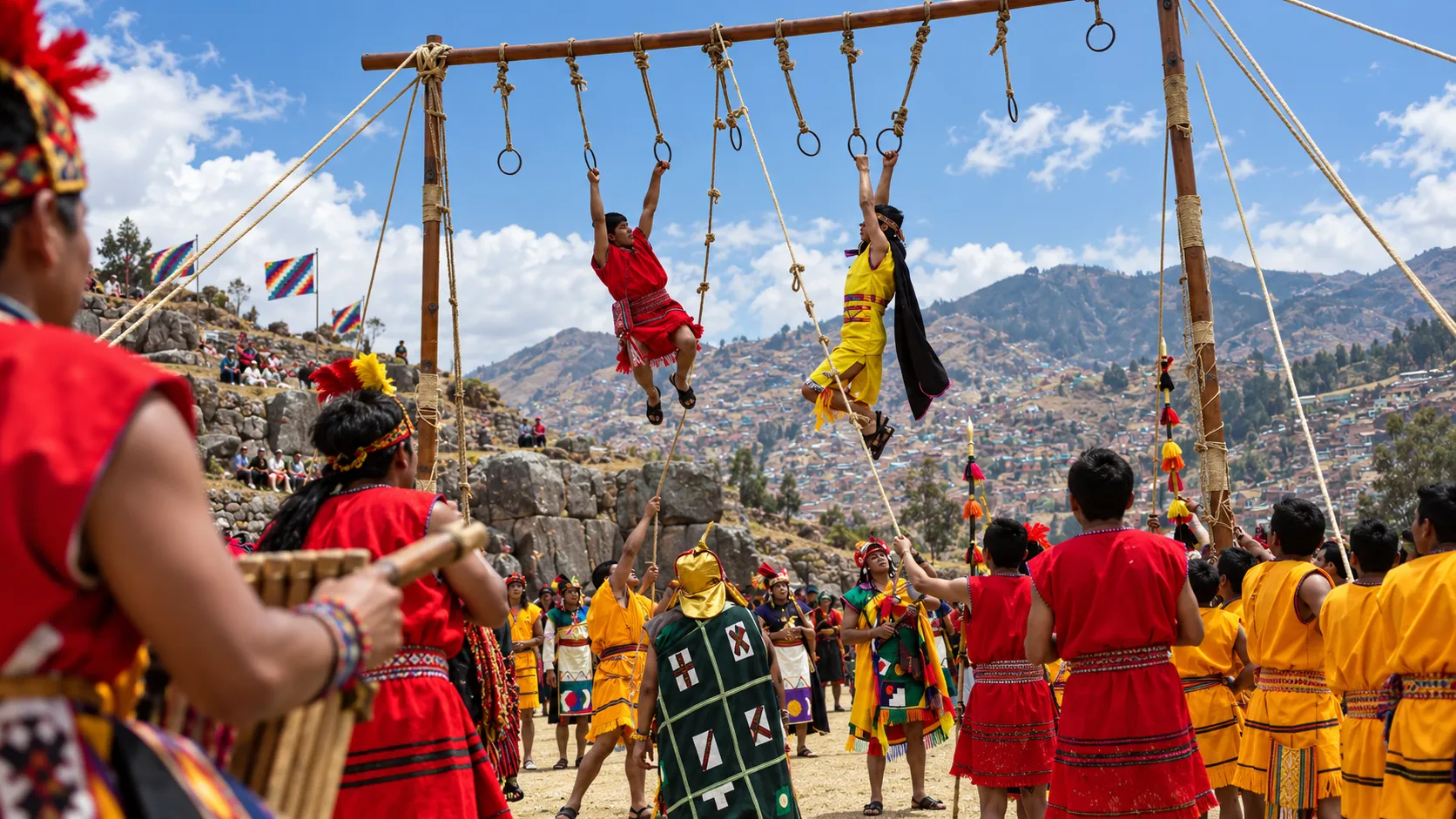
It was not a one-day celebration. It was a process lasting at least 30 days, featuring physical, mental, and spiritual tests prepared for from age 12 and taken at 17 or 18. Young men of royal blood had to demonstrate resourcefulness, skill, strength, and humanity. Those who passed received, in addition to the wara, ear piercing as a badge of high birth: the visible mark that they had passed the most demanding test the empire could place before its future leaders.
The Warachicuy was linked to Cápac Raymi, the major celebration of the December solstice, when the sun marked the beginning of the renewal cycle in the Andean world. If this connection between ritual and the sky interests you, the Astronomy Tour at the Cusco Planetarium shows you how the Incas read the stars to organize their entire lives.
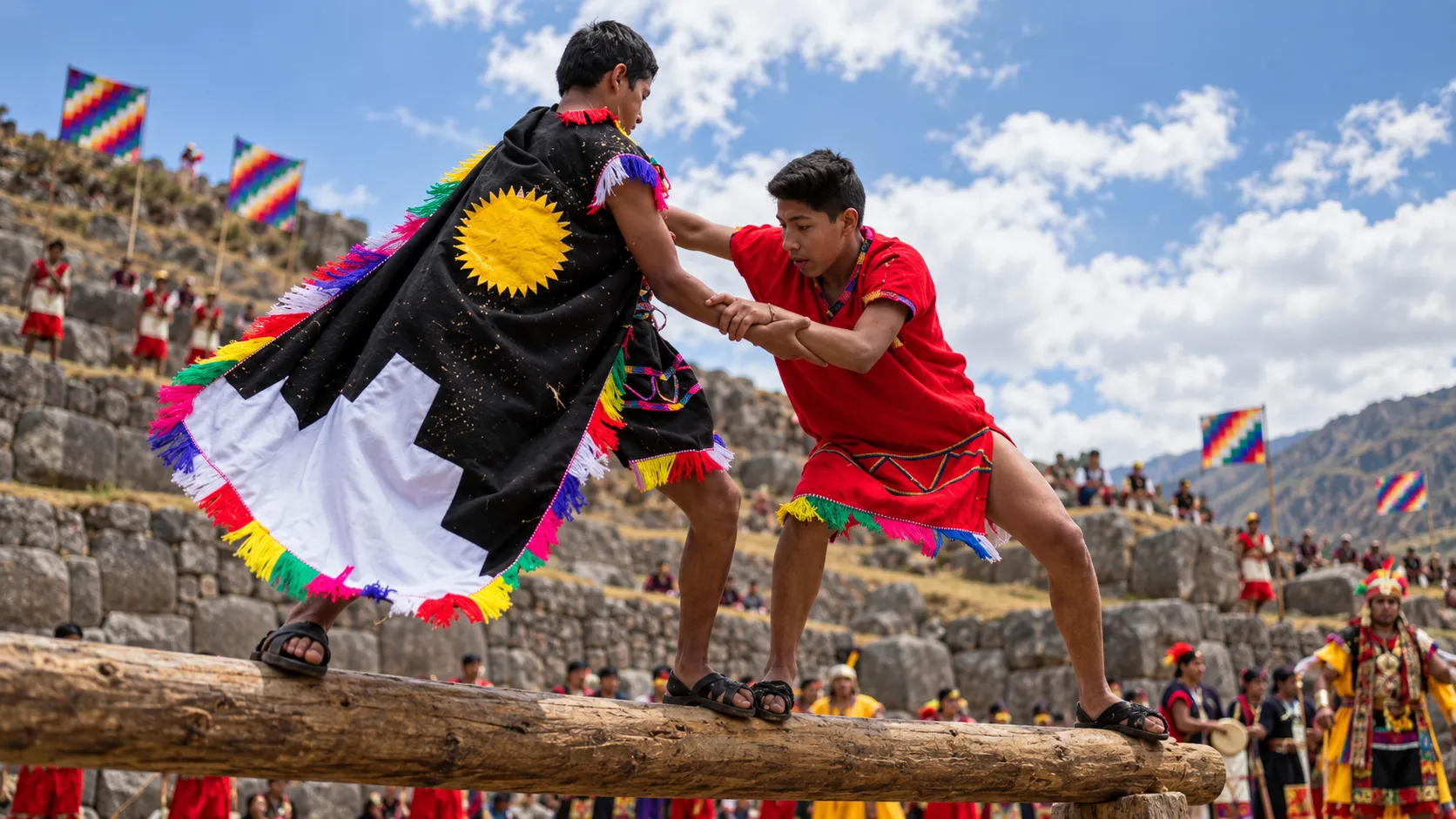
The Tests: This Was Not Symbolic
The candidates faced a sequence of tests designed to evaluate whether they were truly ready for the responsibility that came with adulthood:
- Obstacle races: over irregular terrain at more than 3,400 meters above sea level.
- Speed tests: pure speed; there was no second place.
- Strength and endurance: climbing ropes, crossing suspension bridges, and participating in team competitions.
- Marksmanship and agility: skills that cannot be improvised, but rather trained for years.
It was not a sports competition in the modern sense: it was a comprehensive evaluation. Being the strongest or fastest was not enough. A young man who did not demonstrate leadership capacity, discipline, and community spirit did not receive the wara, regardless of how many physical tests he had passed.
The Modern Reenactment: Third Sunday of September
Since 1969, the Colegio Nacional de Ciencias del Cusco, one of the oldest and most iconic educational institutions in the city, organizes and performs the Warachicuy reenactment every third Sunday of September on the Sacsayhuamán esplanade.
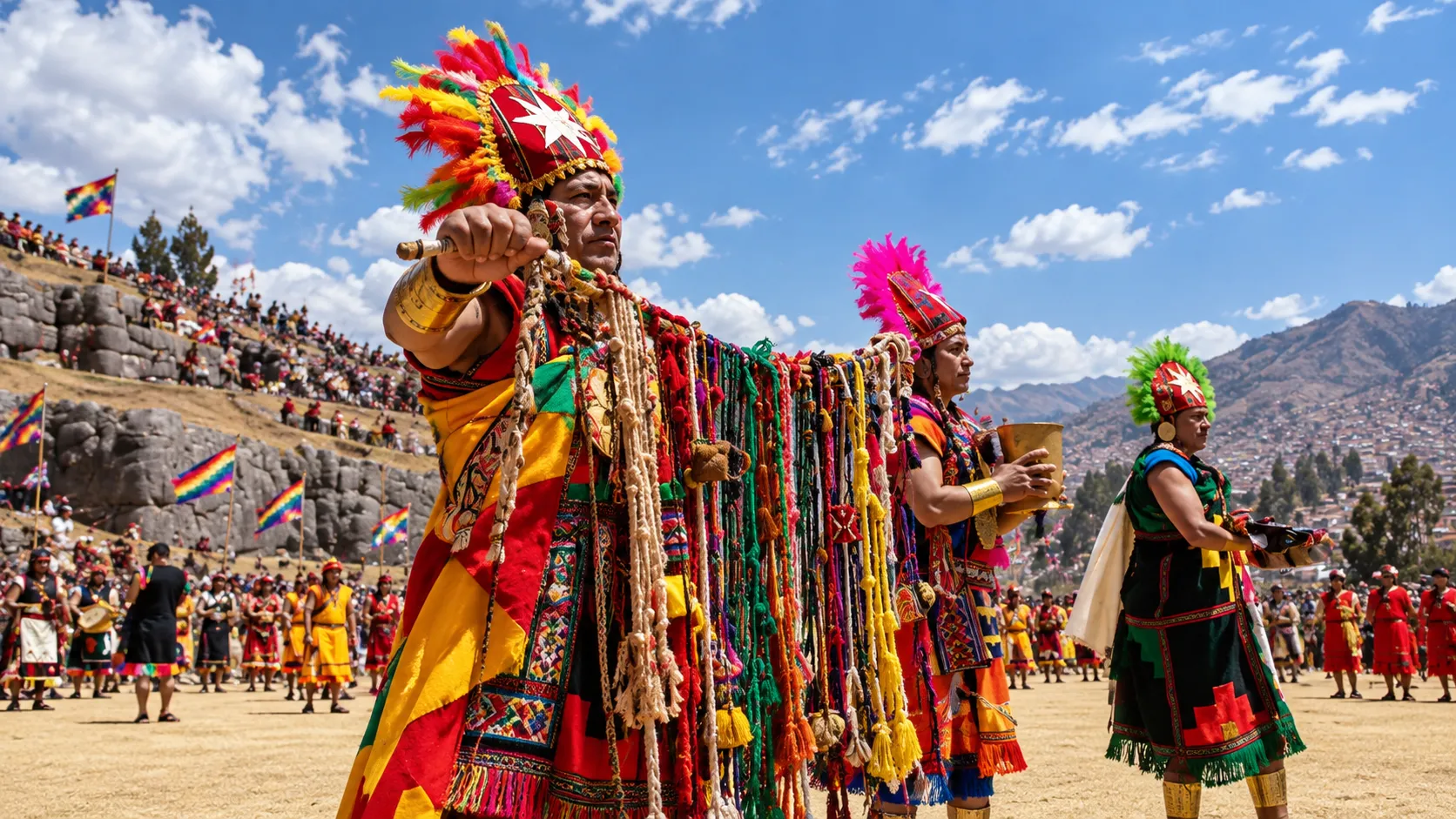
It is neither a municipal event nor a tourist production: it is an institutional project prepared over months by the school's own students and teachers. More than 1,500 actors participate, including students and teachers, wearing costumes made for the occasion, traditional Andean instruments like pututos, quenas, quenachos, wankaras, zampoñas, and sikus, following a route that replicates the original procession:
- Colegio Nacional de Ciencias: starting point of the reenactment.
- Aucaypata: procession through Cusco's ancient main square, today's Plaza de Armas.
- Chukipampa in Sacsayhuamán: esplanade where the main tests take place.
The ceremony concludes when the “Inca” proclaims in Quechua: “Haylliy wayna inkakuna!”, which means “Victory, young Incas!”, symbolically marking the participants' passage into adult life. The event brings together more than 10,000 spectators, including locals and visitors.
The esplanade where all of this takes place is no ordinary stage: it is Sacsayhuamán, the megalithic complex of 2,997 hectares and 96 archaeological sites that colonial chroniclers mistook for a fortress.
Official visitor information is available on the COSITUC page for the Sacsayhuamán Archaeological Park, while the official MINCETUR tourist inventory file for Sacsayhuamán includes its Quechua toponymy, archaeological description, and the festivities it hosts.
Declared of Cultural Interest in 2025
In July 2025, the Ministry of Culture, through the Decentralized Directorate of Culture of Cusco, declared the evoke and reenactment of Warachicuy as of Cultural Interest, recognizing it as a living expression of Andean heritage.
The reenactment that the Colegio Nacional de Ciencias has sustained for over half a century now has institutional backing for its preservation.
This recognition is significant: it means the Peruvian state considers this ceremony to possess sufficient cultural value to be protected, documented, and promoted alongside other recognized cultural manifestations in Cusco.
Warachicuy and Inti Raymi: The Same Esplanade, the Same Memory
If Warachicuy was the rite of passage for young men, Inti Raymi was the empire's grandest celebration: the Sun Festival during the June solstice. Both ceremonies are staged at Sacsayhuamán, both draw from the same colonial chronicles, and both continue to gather thousands of Cusco residents.
If September's Warachicuy leaves you wanting to discover more, the Inti Raymi Full Day Tour takes you from Qoricancha to the esplanade to experience the complete ceremony in June.
The Costumes Were Not Decoration
In the original Warachicuy, every garment carried a code of status, function, and lineage. Colors, weaves, and patterns were not arbitrary. That relationship between textiles and identity remains alive in the Willoq community, where textiles are crafted using techniques passed down from generation to generation.
If the textile aspect of the ceremony catches your attention, the ancient textiles of Willoq in the Sacred Valley allow you to approach this Andean tradition from another perspective.
The Ritual Food
During Cápac Raymi, the major festival that framed the Warachicuy, food was a central part of the ritual: chicha de jora, corn in multiple forms, and camelid meat were core parts of the food tradition.
Those dishes did not disappear. If you want to learn what survived of that ceremonial cuisine, discover the Inca cuisine still prepared in Cusco today.
And if you are interested in the animal that fulfilled ceremonial and culinary functions within the Andean world, learn the story of the Andean guinea pig: a cultural banquet on four legs.
If the Ceremony Connected You with the Andean World
The Warachicuy was, in essence, a educational process within the community. That mindset of learning by doing, living alongside the Andean way of life, and not just observing it remains present in various high-Andean communities.
If the ceremony connected you with that idea, experiential tourism in Ccorcor and trekking to Huchuy Qosqo allows you to experience Andean community life firsthand.
Discover Inca Cusco with Inca World
The Warachicuy allows you to view Sacsayhuamán and the history of Tahuantinsuyo from a different perspective. The ceremony links the archaeological space with practices, symbols, and cultural expressions that help us better understand the Andean past.
If you want to keep exploring this history, you can tour Inca and colonial Cusco in a single day. The Full Day City Tour takes you through Qoricancha, the Cathedral, Sacsayhuamán, and the archaeological sites surrounding the city: the same historic circuit where the Warachicuy comes to life.
Latest posts
Warachicuy: the Inca ceremony that almost no one outside Cusco knows about
17 Sep, 2026.webp)
Rainbow Mountain (Vinicunca): Complete Trekking and Tour Guide
10 Sep, 2026
Pope Leo XIV to Visit Cusco in November: What We Know So Far
19 Aug, 2026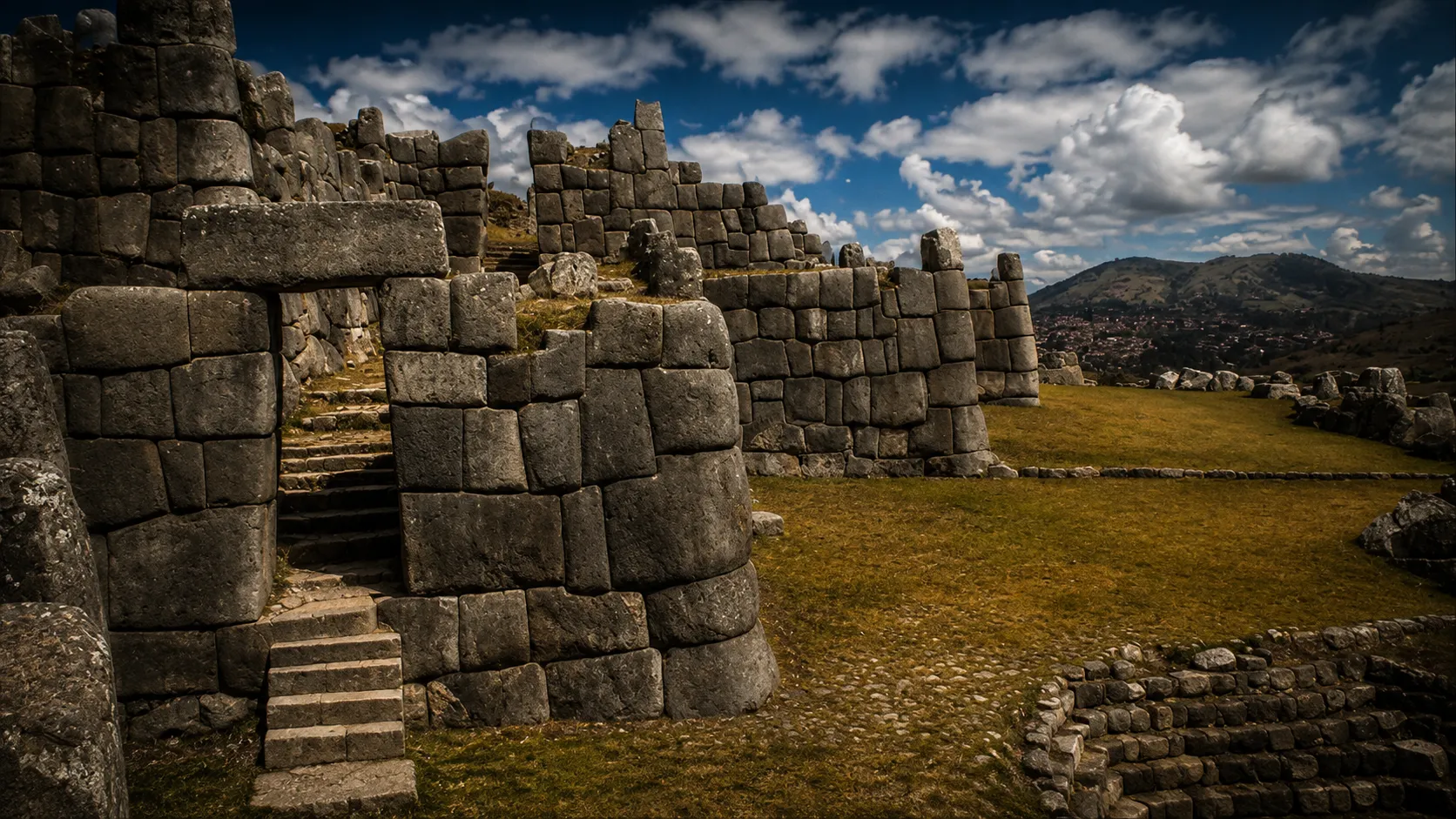
One-Day Holiday: The Cusco Route You Can Fit Into Your Free Thursday
05 Aug, 2026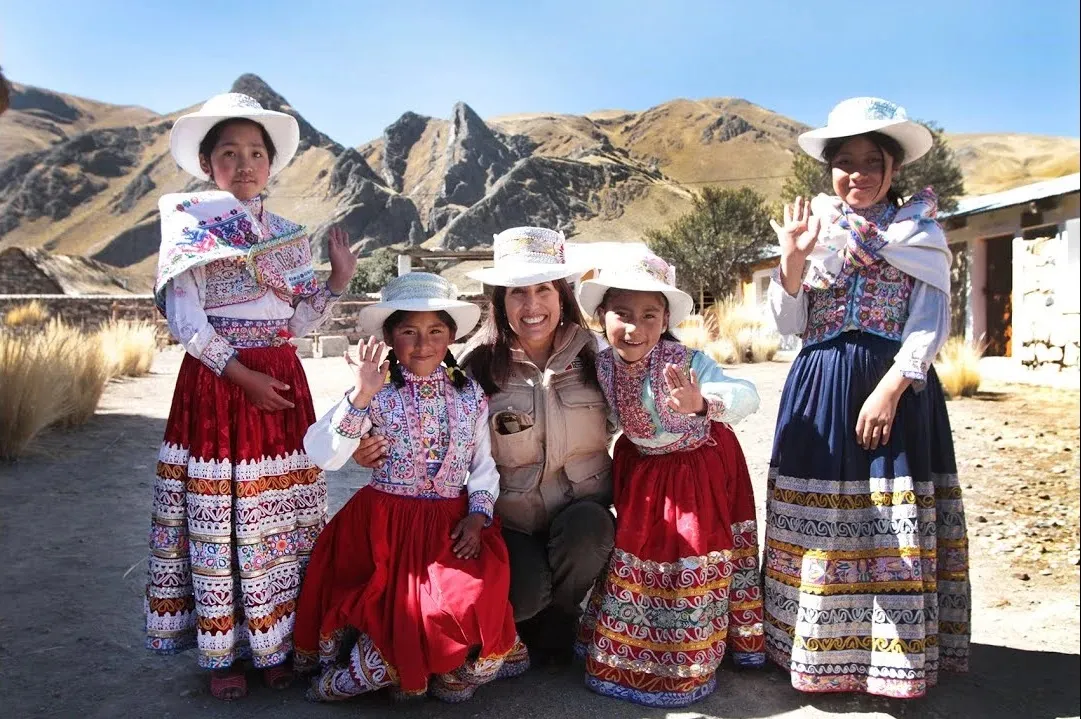
Experiential tourism in Arequipa: local experiences
16 May, 2026Testimonials
What Our Customers Say
 |
antonio b Colombia |
Excellent service
Excellent service, very attentive; our guide Renzo was very cordial and attentive.
Date: Aug 2026
Tripadvisor
 |
johanna m Lima, Peru |
Trip to Cusco! A wonderful trip!
Highly recommended—very organized, very punctual, and with impeccable service. I felt supported the whole time; it was a personalized tour that met my expectations 100%.
Date: Dic 2024
Tripadvisor
 |
Mireya Spain |
Fantastic
I was very happy with the experience and would definitely book with this agency again a thousand times over. I went on a 5-night, 6-day tour and saw everything!
Date: Nov 2024
Tripadvisor
 |
Evans B Lima, Peru |
Travel to Cusco, a unforgettable experience
Excellent choice! They’re very flexible with payment options! The itinerary is followed 100%—there are no filler activities, so you’ll make the most of your time in Cusco to truly experience EVERYTHING. Their tour guides are highly knowledgeable and will teach you without overwhelming you with irrelevant information!
Date: Jan 2024
Tripadvisor
Verified Agency