Blog
Blog
23
SepTomorrow the Season Changes: What Changes in Cusco Tours
The spring equinox, which occurs between September 22 and 23, formally marks the end of the dry season in Cusco on the calendar. Every year around these dates, the myth resurfaces among travelers that spring immediately brings torrential rain and tour cancellations. Nothing could be further from the truth. September and October rank among the most recommended months to explore the Andes, offering excellent weather, fewer crowds, and landscapes in full transformation. Knowing what truly changes and what stays operational will allow you to plan your itinerary with complete confidence.
What doesn't change: September is still dry season
At 3,400 meters above sea level, Cusco averages just 22 millimeters of rainfall throughout September. This rainfall is almost always concentrated in the final days of the month as brief, isolated afternoon showers. In contrast, January —the rainiest month— exceeds 150 millimeters. September is not the start of heavy rains, but the final stretch of the dry season, featuring pleasant temperatures, clear morning skies, and excellent trekking conditions. For official data, check the official Cusco weather forecast from SENAMHI.
If you are looking for sunny days but prefer to dodge the peak crowds from June to August, September and the first half of October are the ideal window: favorable weather, fewer visitors, and lower rates.
What does change: October and the weather transition
October is the transitional month of the Andean calendar. Sporadic afternoon showers begin to appear, usually between 2:00 p.m. and 5:00 p.m., but mornings remain clear, sunny, and fully operational. By November, rain is more frequent and cloudy afternoons become the norm. Afternoon rain does not mean cancellations: circuits run as usual provided you adjust your gear:
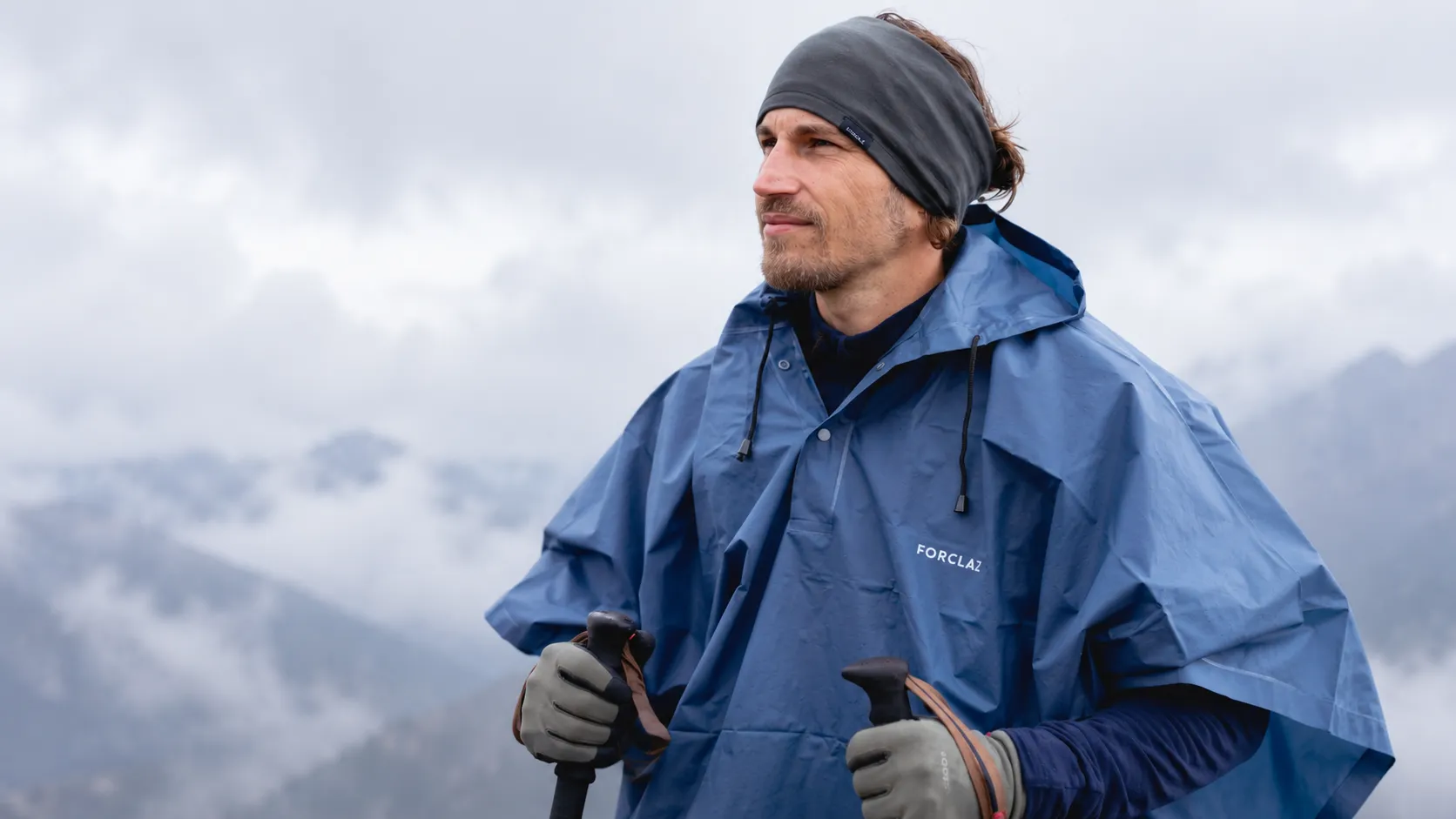
- Light waterproof layer: Essential for handling quick weather changes during mid-afternoon excursions.
- Trekking shoes with good grip: Crucial for maintaining traction on Inca cobblestones and wet trails.
- Morning schedules: Prioritize early departures to take full advantage of the sunniest and most stable hours.
Traditional tours: guaranteed year-round operation
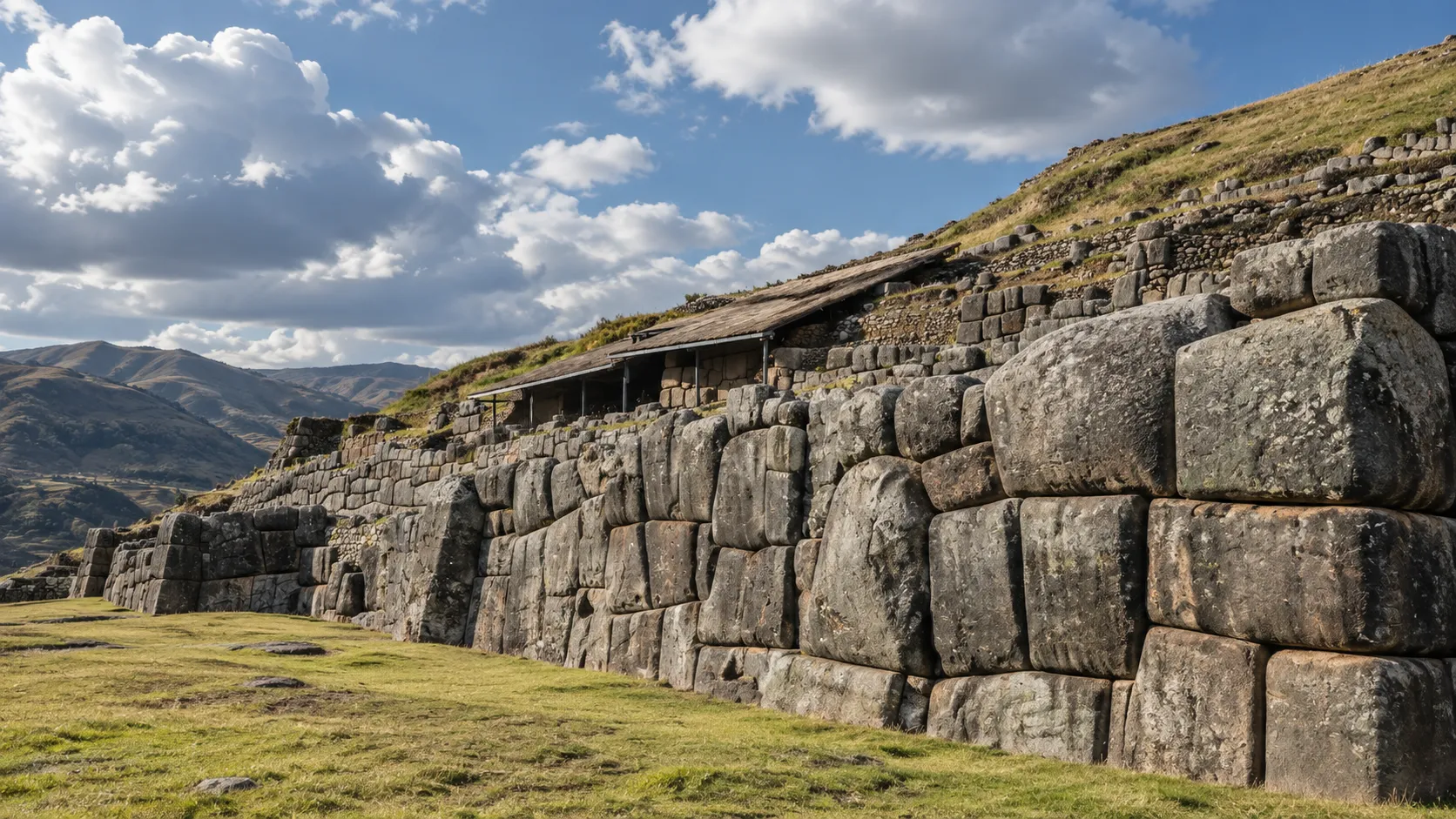
Major cultural attractions operate 365 days a year without being disrupted by rain. Archaeological complexes like Sacsayhuamán, Pisac, Ollantaytambo, and Chinchero remain open continuously. The Cusco City Tour, the Sun Route to Puno, and the South Valley circuit maintain daily departures.
The Sacred Valley of the Incas stands out due to its lower altitude (below 2,900 meters / 9,500 feet), giving it a mild climate ideal to visit even during wet months. To plan your trip, keep in mind that the Sacred Valley operates year-round — what changes is how you prepare. Additionally, to enter these sites you will need the official pass; check here how the Cusco Tourist Ticket works — you need it in any season.
Weather-sensitive tours: high mountain and trekking
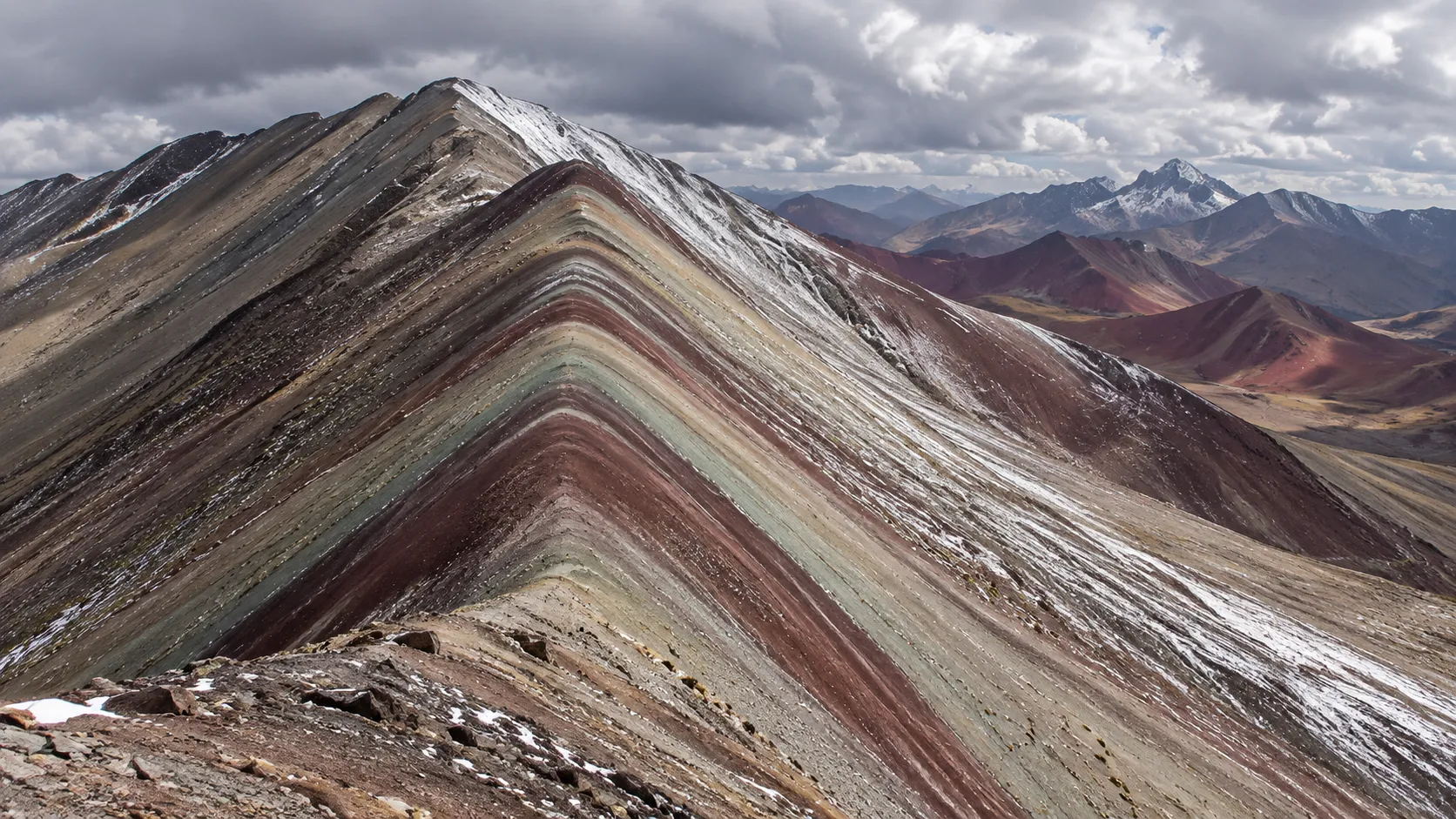
Unlike the valleys, routes above 4,200 meters (13,700 feet) experience noticeable shifts. They are not suspended, but the visual and physical experience varies. At Vinicunca, Rainbow Mountain changes dramatically depending on the season: during the dry period, mineral stripes shine vividly under the sun, while rain can bring snow covering the colored stripes and mud making the ascent to 5,200 meters more challenging.
The trek to Humantay Lake presents a similar scenario: the turquoise waters look even more intense, but the steep climb requires trekking poles to prevent slips. For multi-day high-altitude routes like the Salkantay Trek, campsites get cooler and damper; our comparative guide on Inca Trail vs Salkantay: benefits of each route by season will help you choose the best option.
The only strict restriction: February maintenance
The only mandatory regulatory closure on Cusco's tourism calendar happens in February along the traditional Inca Trail. This break is dedicated to annual environmental and structural conservation work, as the Ministry of Culture officially confirms every year.
The direct benefit comes on March 1st, when SERNANP reopens the Inca Trail Network with refreshed infrastructure, clean campsites, and repaired bridges. Traveling in March or April lets you enjoy a fresh trail with moderate crowds. If you are planning this historic route, review these updated tips and recommendations for the Inca Trail.
Logistical factors: trains, packing, and gastronomy
The season change also impacts logistics. During heavy rain periods, trains to Machu Picchu may implement bimodal options as a precaution when train services are restricted due to landslide risks.
Regarding clothing, Andean nights continue to dip close to 0°C (32°F). If your thermal layers have trapped dust or sweat from previous treks, their insulation power drops; a professional down jacket cleaning before your trip restores warmth performance. In local cuisine, cool afternoons call for hot soups like *caldo de gallina* (chicken soup) or *chairo*; explore traditional Cusco dishes that change with the season.
Plan your Cusco trip at the perfect time
Understanding Andean seasons allows you to travel in any month with full enjoyment. The September-October transition delivers bright mornings, accessible trails, and valleys turning lush and green. If you're looking to travel toward the end of the rainy spell, discover why April marks the start of the best season to visit Peru.
Discover Cusco with certified guides: Explore our tours and travel packages in Cusco with Inca World and experience an unforgettable trip with guaranteed climate and logistics support.
Updated posts
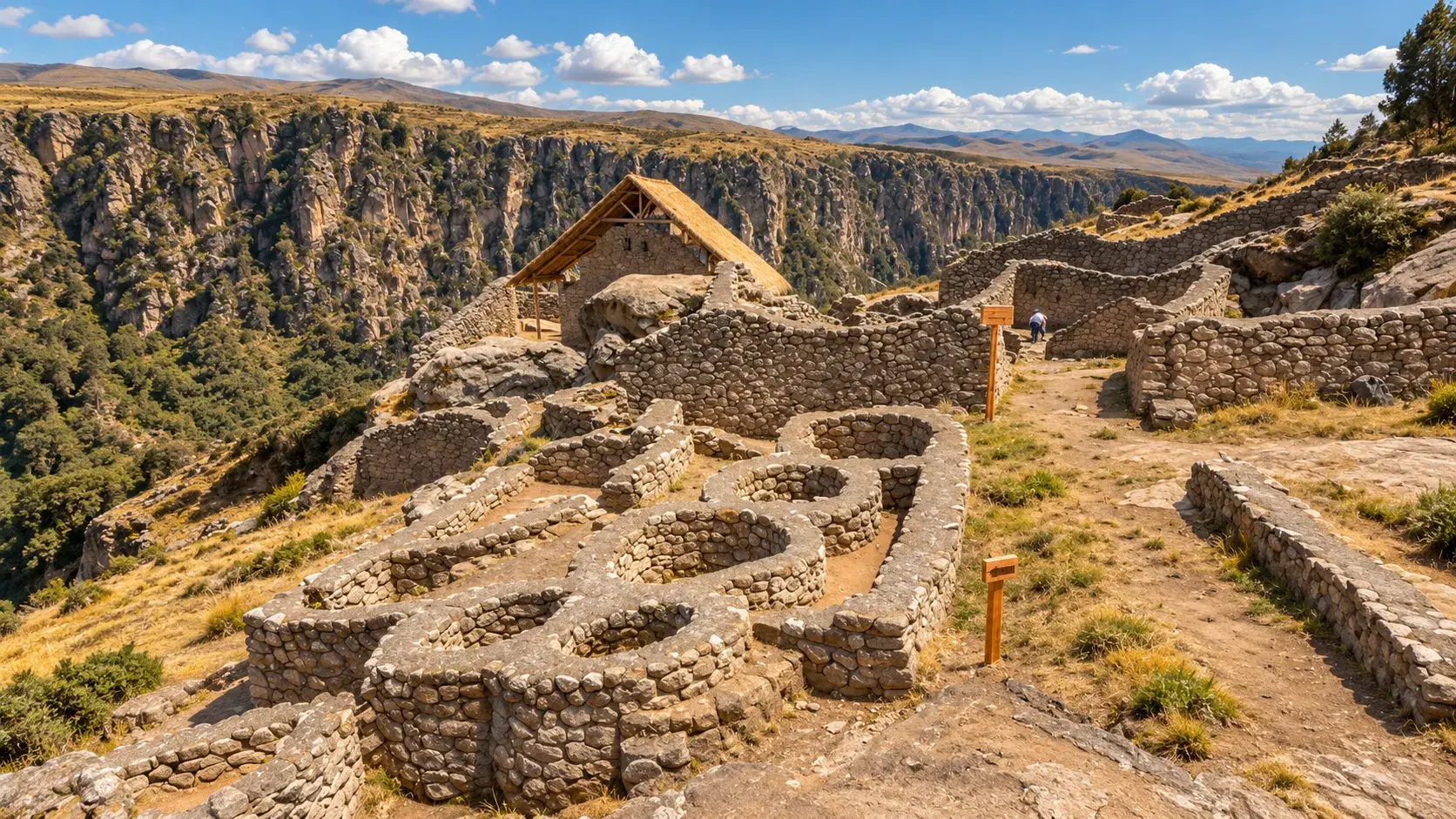
T'aqrachullo in Espinar: Guide to the Archaeological Citadel
Up-to-date: 14 Oct, 2026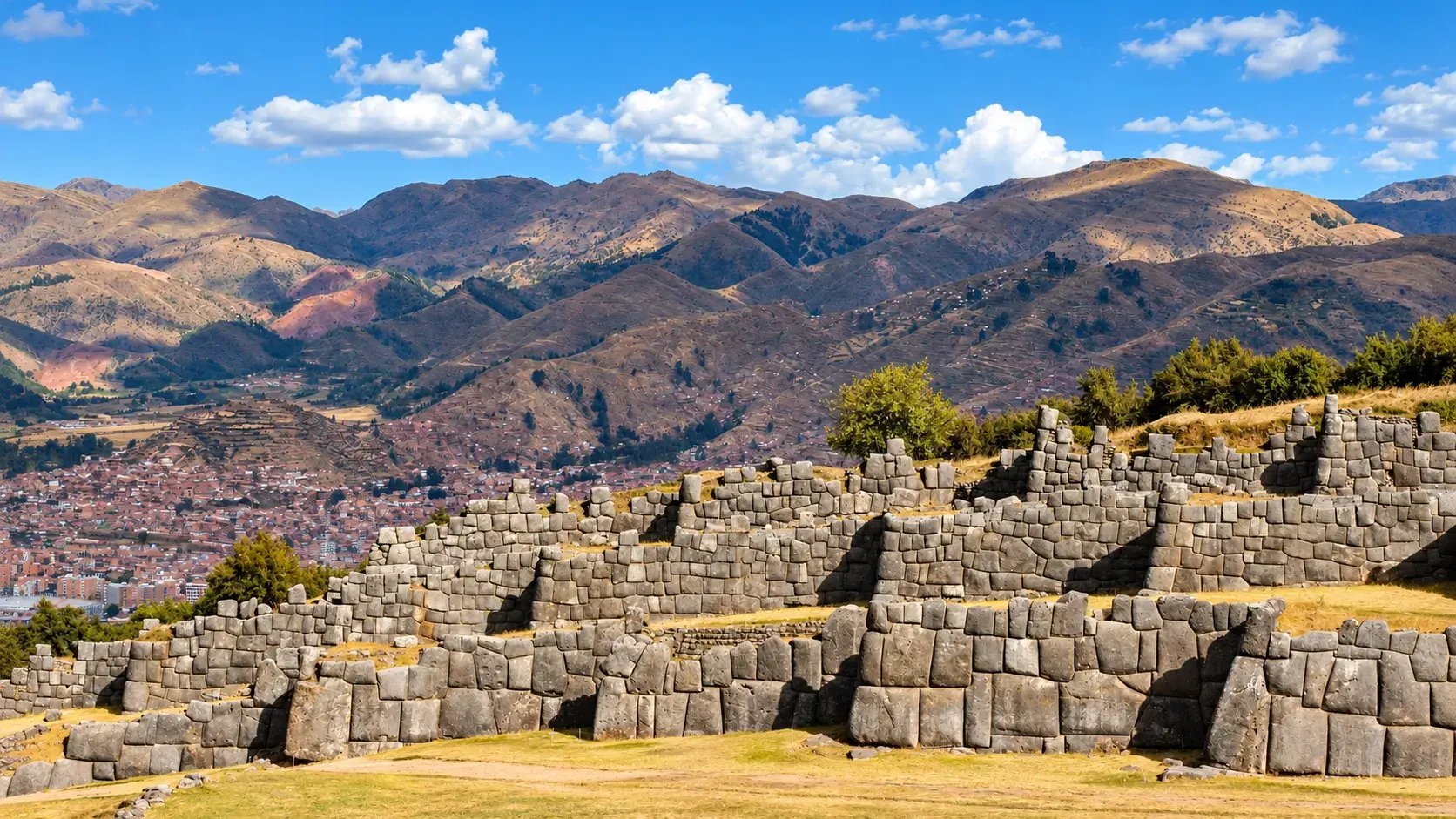
Four Cusco Getaways for Peru's October 8 Holiday
Up-to-date: 09 Oct, 2026
The festival that starts Monday the 28th and isnt touristy: San Jerónimo, 5 days
Up-to-date: 29 Sep, 2026
Tomorrow the Season Changes: What Changes in Cusco Tours
Up-to-date: 29 Sep, 2026
Warachicuy: the Inca ceremony that almost no one outside Cusco knows about
Up-to-date: 29 Sep, 2026Testimonials
What Our Customers Say
 |
antonio b Colombia |
Excellent service
Excellent service, very attentive; our guide Renzo was very cordial and attentive.
Date: Aug 2026
Tripadvisor
 |
johanna m Lima, Peru |
Trip to Cusco! A wonderful trip!
Highly recommended—very organized, very punctual, and with impeccable service. I felt supported the whole time; it was a personalized tour that met my expectations 100%.
Date: Dic 2024
Tripadvisor
 |
Mireya Spain |
Fantastic
I was very happy with the experience and would definitely book with this agency again a thousand times over. I went on a 5-night, 6-day tour and saw everything!
Date: Nov 2024
Tripadvisor
 |
Evans B Lima, Peru |
Travel to Cusco, a unforgettable experience
Excellent choice! They’re very flexible with payment options! The itinerary is followed 100%—there are no filler activities, so you’ll make the most of your time in Cusco to truly experience EVERYTHING. Their tour guides are highly knowledgeable and will teach you without overwhelming you with irrelevant information!
Date: Jan 2024
Tripadvisor
Verified Agency