Blog
Blog
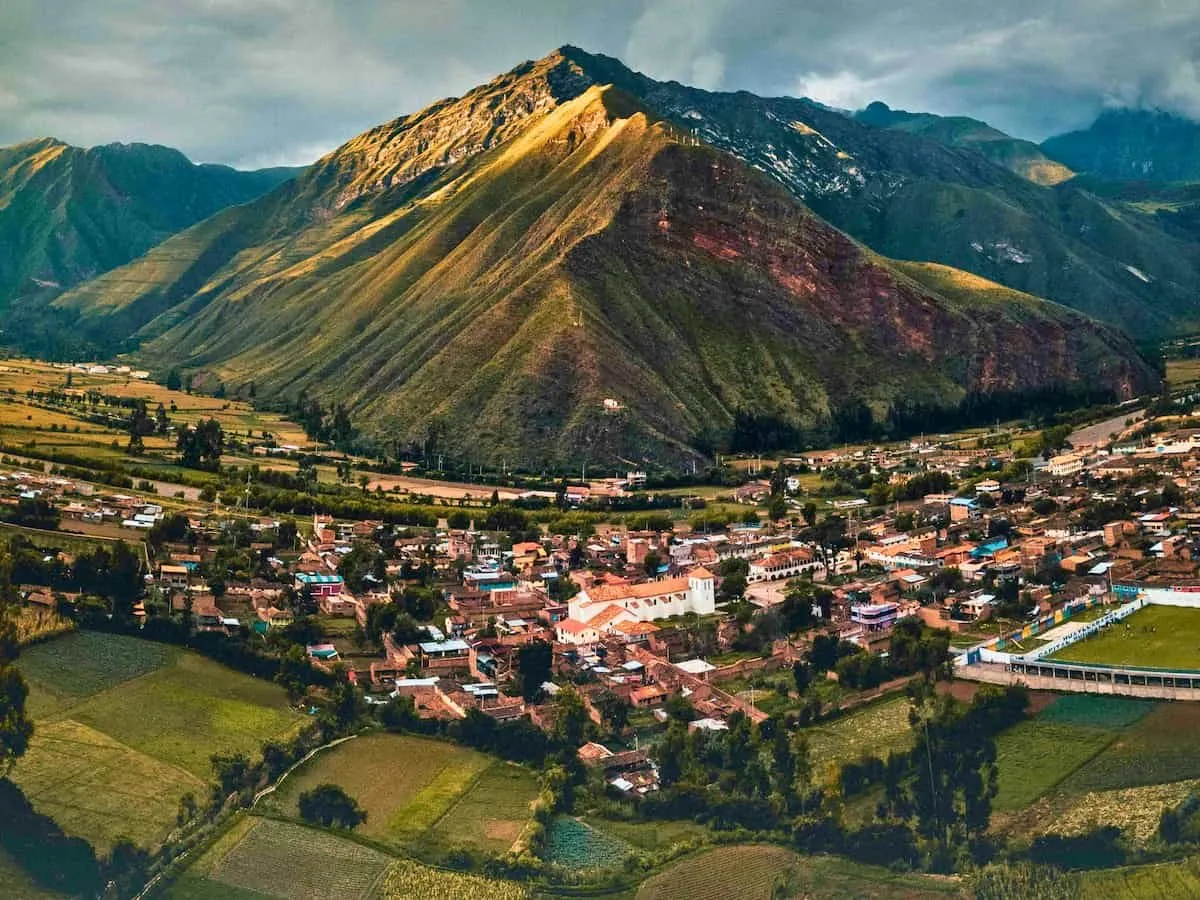
12
MayUrubamba Altitude: Your Essential Sacred Valley Guide
If you are planning a trip to Cusco, you’ve probably been told to "head straight to the Valley to avoid altitude sickness." This is some of the best advice you'll get.
Urubamba isn't just the heart of the Sacred Valley; it’s a strategic sanctuary for travelers. At a lower elevation than Cusco, it offers a warmer climate, easier breathing, and a much gentler introduction to the Peruvian Andes.
Urubamba Altitude & Climate: Why Stay Here?
Known as the land of "Eternal Spring," Urubamba feels worlds away from the thin, chilly air of Cusco. It’s the place where the Incas used to retreat, and for good reason.
The Exact Numbers
The altitude of Urubamba is 2,871 m.a.s.l. (meters above sea level), or approximately 9,420 feet.
To put that into perspective, the city of Cusco sits at 3,399 m.a.s.l. (11,150 feet). That difference of 500 meters (1,700 feet) is the "sweet spot." It’s high enough to be an Andean adventure, but low enough that most people can sleep soundly without waking up gasping for air.
Variations by Sector
While the town center is at 2,871 m, the area is diverse. Most of the luxury hotels are located along the Vilcanota River at this same comfortable altitude. However, if you venture up toward the Chicón glacier or the surrounding mountain communities, you will notice the air getting thinner and colder very quickly.
The Sacred Valley: An Altitude Comparison
The Sacred Valley isn’t a flat floor; it’s a dramatic landscape with varying elevations. If you’re planning your daily tours, keep this "altitude cheat sheet" handy:
-
Pisaq (Town): 2,972 m (9,750 ft)
-
Ollantaytambo: 2,792 m (9,160 ft)
-
Chinchero: 3,762 m (12,342 ft) – Heads up: This is the highest point on the classic circuit.
-
Machu Picchu: 2,430 m (7,972 ft) – Believe it or not, the "Lost City" is lower than Urubamba!
Beating Altitude Sickness in Urubamba
In Peru, we call altitude sickness soroche. It isn’t an illness, but rather your body’s way of saying it needs more time to process less oxygen.
Symptoms and Prevention
Common signs include a throbbing headache, loss of appetite, or feeling winded after just a few steps.
The pro tip: Your first day should be "low and slow." Avoid alcohol, skip the heavy steaks (digestion slows down at high altitudes), and just relax by the hotel gardens.
Your Survival Kit
-
Coca Tea: It’s the local remedy for a reason. It helps with circulation. Just don’t drink it late at night—it’s a mild stimulant!
-
Hydration: The Andean air is incredibly dry. Drink twice as much water as you think you need.
-
The "Sorojchi Pill": Available at any local pharmacy (botica), these help with blood flow and oxygenation.
Quick Tips for Your Sacred Valley Visit
Urubamba is the perfect base for exploring the Maras Salt Mines, Moray’s circular terraces, and the train station at Ollantaytambo.
What to Pack (The Onion Method)
The weather here is notoriously unpredictable. You can go from sweating in a T-shirt at noon to shivering in a jacket by 6:00 PM.
-
Dress in layers: Think of yourself like an onion. Start with a base layer, add a fleece, and top it with a windbreaker.
-
Sun protection: The sun at 2,800 meters is intense. A hat and high-SPF sunscreen are non-negotiable, even if it feels cloudy.
-
Sturdy shoes: Even for casual walks, the cobblestone streets and dirt paths require good grip.
Frequently Asked Questions (FAQ)
Is it better to stay in Cusco or Urubamba?
If it's your first time in the Andes, Urubamba is the smarter choice. It allows your body to adjust gradually before you spend time in the higher elevations of Cusco.
How long does it take to acclimate?
Most travelers feel perfectly fine after 12 to 24 hours.
Are there medical facilities in Urubamba?
Yes. There are several modern private clinics and a public hospital that are very experienced in treating altitude-related issues and traveler's ailments.
Latest posts

Pope Leo XIV to Visit Cusco in November: What We Know So Far
19 Aug, 2026
One-Day Holiday: The Cusco Route You Can Fit Into Your Free Thursday
05 Aug, 2026
Experiential tourism in Arequipa: local experiences
16 May, 2026
Urubamba Altitude: Your Essential Sacred Valley Guide
12 May, 2026
andine guinea pig or andean cuy: A cultural feast on four legs
12 Dec, 2023Testimonials
What Our Customers Say
 |
antonio b Colombia |
Excellent service
Excellent service, very attentive; our guide Renzo was very cordial and attentive.
Date: Aug 2026
Tripadvisor
 |
johanna m Lima, Peru |
Trip to Cusco! A wonderful trip!
Highly recommended—very organized, very punctual, and with impeccable service. I felt supported the whole time; it was a personalized tour that met my expectations 100%.
Date: Dic 2024
Tripadvisor
 |
Mireya Spain |
Fantastic
I was very happy with the experience and would definitely book with this agency again a thousand times over. I went on a 5-night, 6-day tour and saw everything!
Date: Nov 2024
Tripadvisor
 |
Evans B Lima, Peru |
Travel to Cusco, a unforgettable experience
Excellent choice! They’re very flexible with payment options! The itinerary is followed 100%—there are no filler activities, so you’ll make the most of your time in Cusco to truly experience EVERYTHING. Their tour guides are highly knowledgeable and will teach you without overwhelming you with irrelevant information!
Date: Jan 2024
Tripadvisor
Verified Agency