Blog
Blog
16
MayExperiential tourism in Arequipa: local experiences
What is experiential tourism?
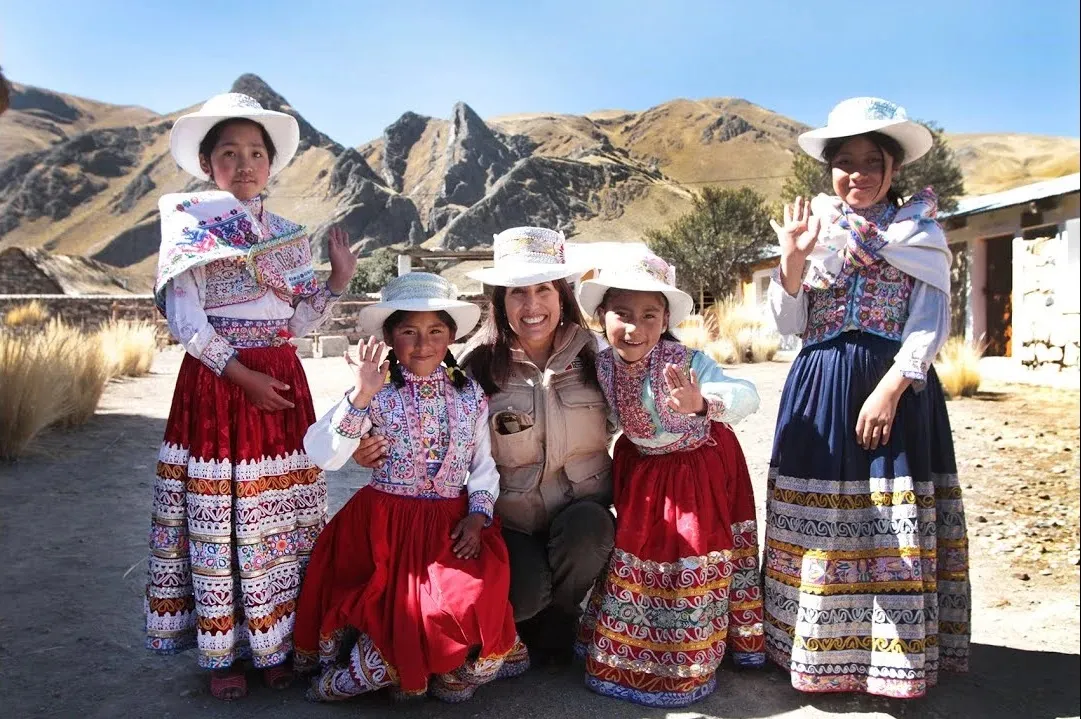
Experiential tourism is much more than seeing landscapes: it is about getting involved with the daily life of a place, learning from its customs, and sharing real moments with its people. Experiential tourism is, in essence, sharing daily life with local communities; in Arequipa, this means cooking at home with a local family, walking alongside herders on Andean trails, or participating in workshops where traditions are passed down from generation to generation. This genuine cultural exchange, in which you are not just a spectator but a guest of honor, aims to create authentic memories and contribute to the community that welcomes you.
Experiences available in Arequipa
Arequipa offers options for all tastes and paces. Some common experiences include cooking and market days, tours of historic manor houses and craft workshops, hikes with local guides through nearby landscapes, and stays in rural communities where daily life sets the pace. Many activities are adapted for families, couples, and solo travelers, and they usually combine hands-on learning with moments of coexistence.
Gastronomic workshops
Arequipan cuisine takes center stage: from rocoto relleno to chupe de camarones and traditional cheeses. In the gastronomic workshops, you will learn to select ingredients at the market, follow homemade recipes, and cook over a traditional fire or in clay ovens, depending on the case. The hosts share stories about the recipes and their family variations; at the end, everyone enjoys the food together, just like in a village home.
- The secret of the batán: In traditional communities like Characato or Sabandía, you can participate in preparing an authentic rocoto relleno or a solterito de queso, grinding the ingredients on a stone batán, just as it has been done for centuries.
- From field to table: You will learn how to light the wood-fired oven and get to know the different varieties of local potatoes and corn that you can help harvest yourself.
Community visits
Visits to nearby communities allow you to learn about local crops, agricultural practices, and trades such as weaving or raising Andean camelids. Hosts usually invite visitors to participate in daily tasks —such as planting, milking, or preparing fiber— and show their worldview and festivities when the calendar allows. These stays are an opportunity to see firsthand how rural life is maintained in the highlands and how traditions adapt to the present.
- Ancestral weaving: You can learn the process of spinning and naturally dyeing alpaca wool directly from the master artisans of Sibayo.
- Agricultural labors: If you wake up early, you can accompany families in herding camelids or managing the Inca irrigation canals that are still fully functional today. At nightfall, shared bonfires and stories under the starry sky of the Colca are unforgettable.
Impact and sustainability
Responsible experiential tourism seeks mutual benefits: direct income for families and workshops, preservation of traditional knowledge, and respect for the natural environment. It is important to choose operators and hosts who work with the community, respect schedules and customs, and manage waste and resources thoughtfully. The best part about choosing experiential tourism in Arequipa is that your trip has a real purpose. By choosing these experiences, the income goes directly to local families, without intermediaries keeping most of the profit.
This not only boosts the economy of communities that are often left out of mass tourism, but it also revitalizes their culture. Local youth see that their traditions, their language (Quechua or Aymara), and their customs are valued by travelers from all over the world, which encourages the sustainable preservation of their heritage.
How to book
Planning this trip requires a bit more care than booking a conventional hotel, as you are entering the home of a community. To ensure it is an unforgettable and respectful experience, follow these steps:
- Look for responsible operators: Choose local agencies that work hand-in-hand with the communities or check references from the Arequipa tourism office.
- Ask the key questions: Before closing the deal, don't leave any doubts behind and always ask about:
- What is included? Confirm transportation, meals, and the exact duration of the activity.
- Transparency: Ask how many people participate in the experience and how the income is distributed to ensure it is a fair benefit for the community.
- Logistical details: Verify cancellation policies and whether it is suggested to wear specific clothing or bring donations.
- Advance notice: If it is a one-day tour, booking it a few days in advance will be enough. But if you are looking for a long community stay (several days), the ideal choice is to coordinate it weeks in advance.
Want to save yourself the logistics and travel worry-free?
At Inca World Peru, we take care of managing absolutely everything for you. We make sure to connect with the right communities, guarantee ethical tourism, and build your custom itinerary so you can focus solely on enjoying this great experience.
Latest posts

Pope Leo XIV to Visit Cusco in November: What We Know So Far
19 Aug, 2026
One-Day Holiday: The Cusco Route You Can Fit Into Your Free Thursday
05 Aug, 2026
Experiential tourism in Arequipa: local experiences
16 May, 2026
Urubamba Altitude: Your Essential Sacred Valley Guide
12 May, 2026
andine guinea pig or andean cuy: A cultural feast on four legs
12 Dec, 2023Testimonials
What Our Customers Say
 |
antonio b Colombia |
Excellent service
Excellent service, very attentive; our guide Renzo was very cordial and attentive.
Date: Aug 2026
Tripadvisor
 |
johanna m Lima, Peru |
Trip to Cusco! A wonderful trip!
Highly recommended—very organized, very punctual, and with impeccable service. I felt supported the whole time; it was a personalized tour that met my expectations 100%.
Date: Dic 2024
Tripadvisor
 |
Mireya Spain |
Fantastic
I was very happy with the experience and would definitely book with this agency again a thousand times over. I went on a 5-night, 6-day tour and saw everything!
Date: Nov 2024
Tripadvisor
 |
Evans B Lima, Peru |
Travel to Cusco, a unforgettable experience
Excellent choice! They’re very flexible with payment options! The itinerary is followed 100%—there are no filler activities, so you’ll make the most of your time in Cusco to truly experience EVERYTHING. Their tour guides are highly knowledgeable and will teach you without overwhelming you with irrelevant information!
Date: Jan 2024
Tripadvisor

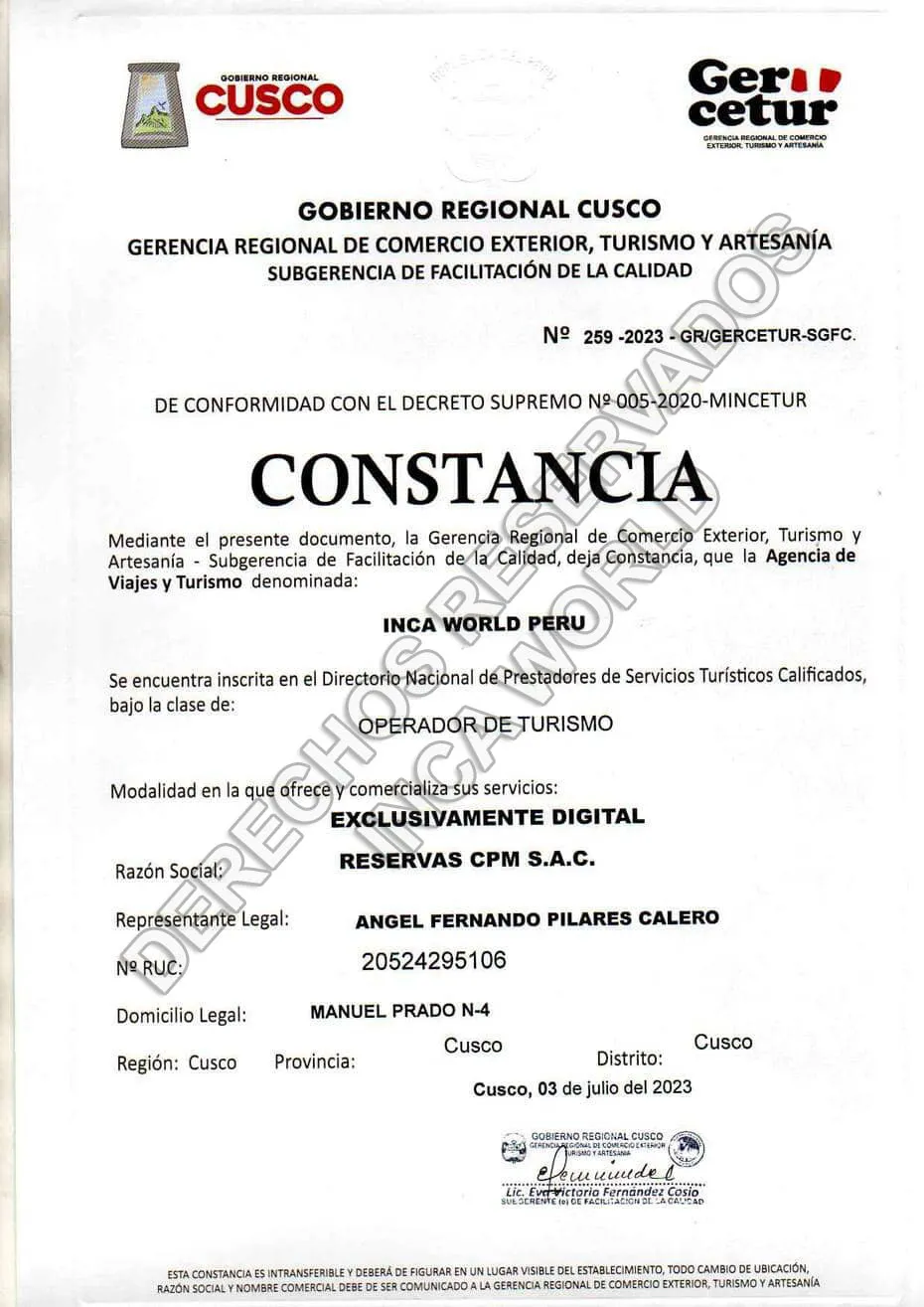
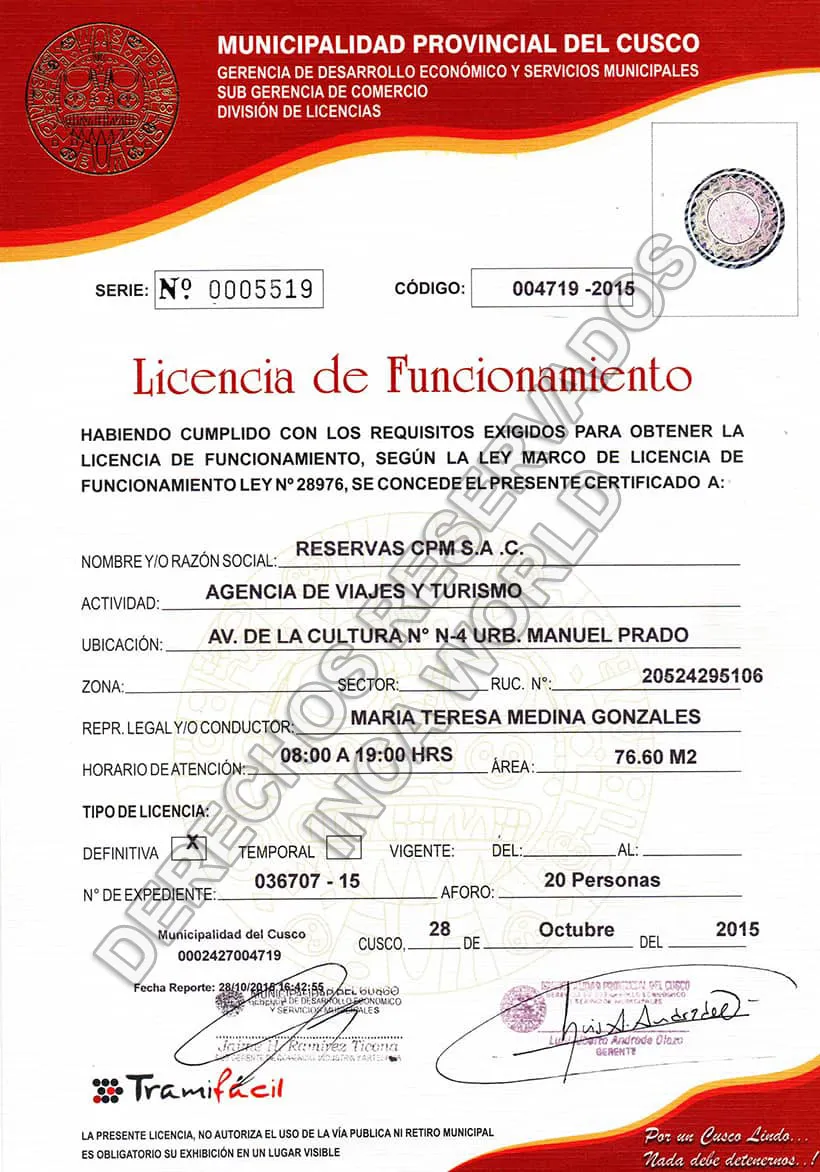
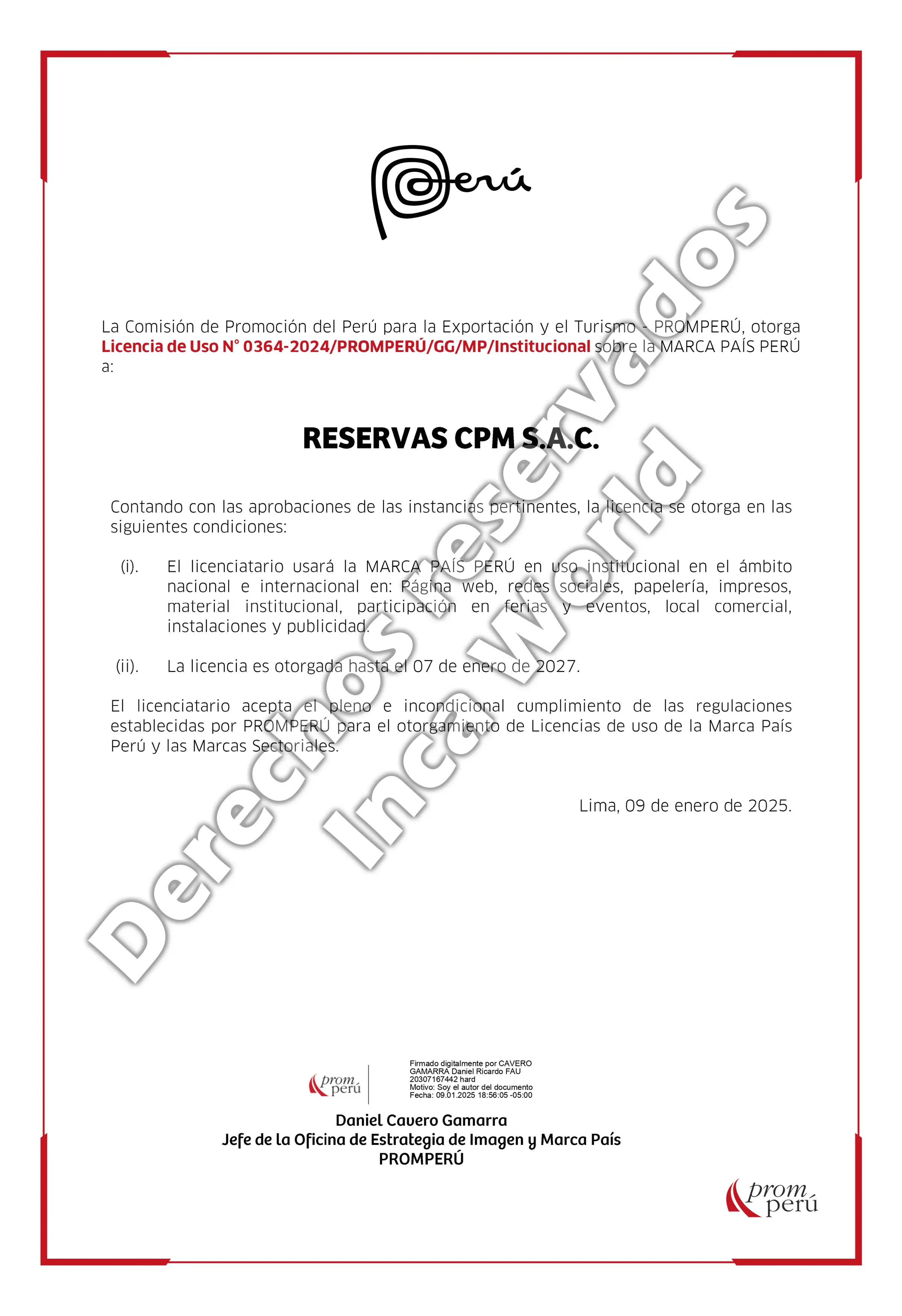
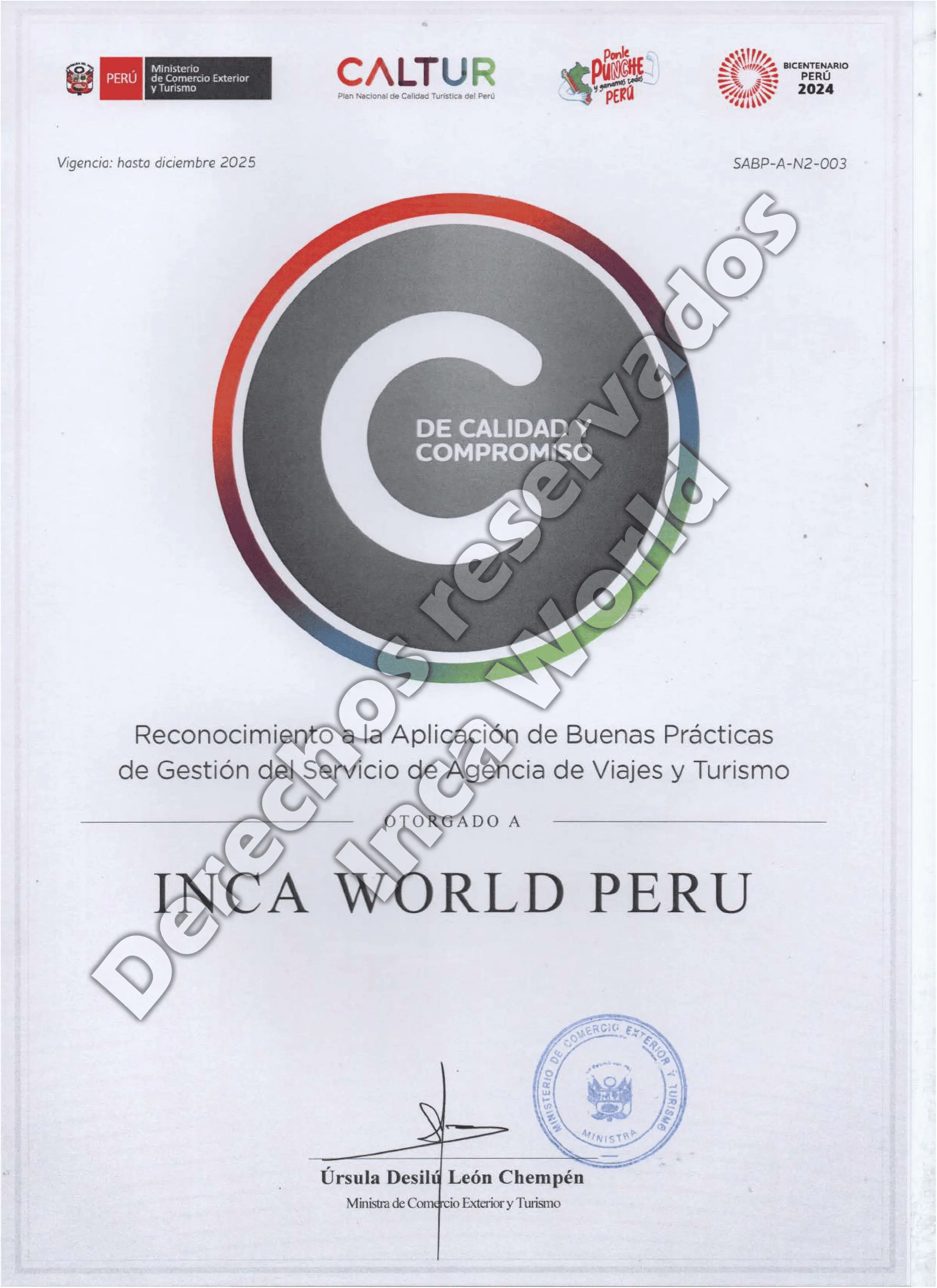
Verified Agency